Skip to content

Historic Core · South Park · Arts District · Bunker Hill · Little Tokyo

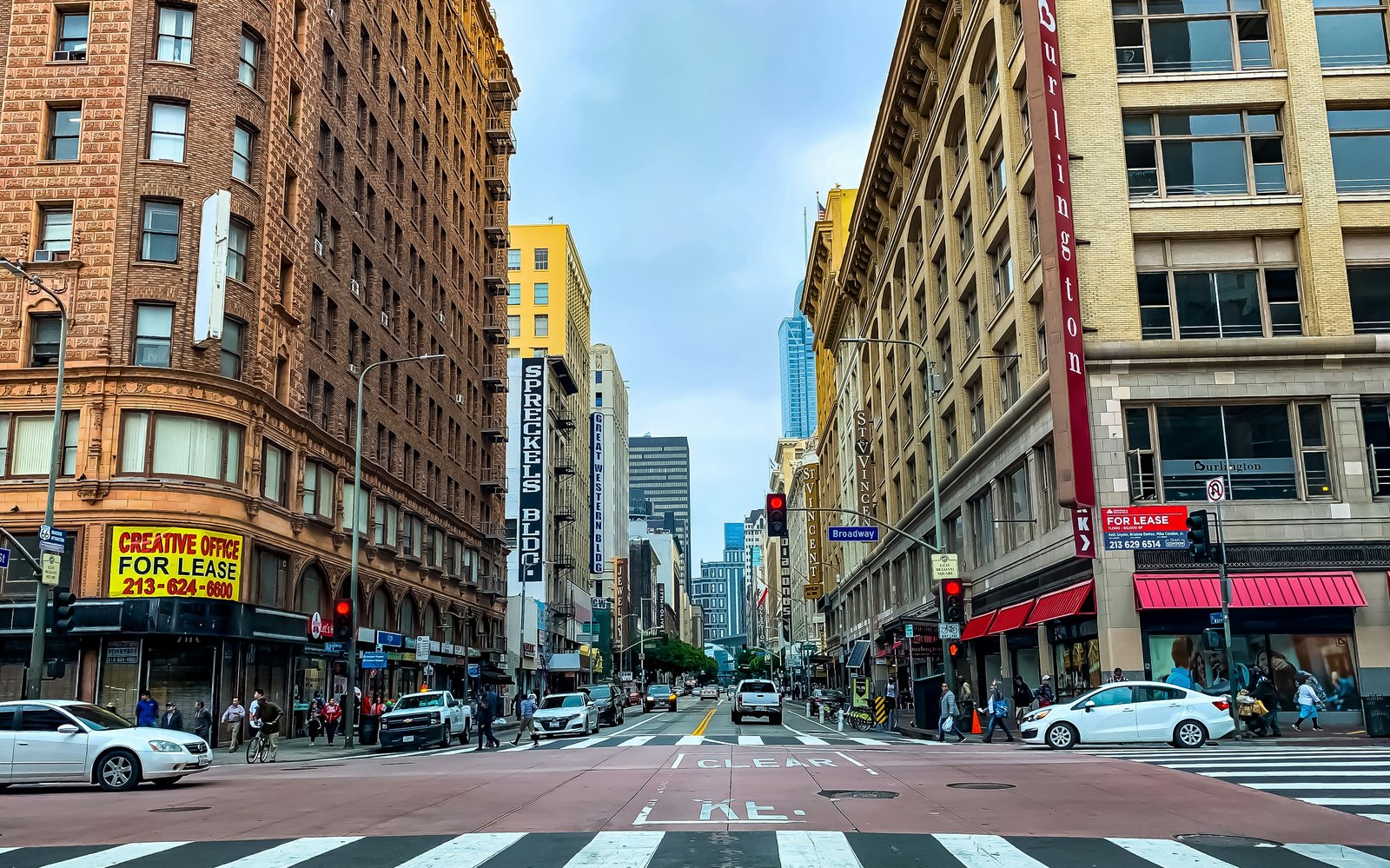
A Downtown Los Angeles street of early-1900s brick and terra-cotta buildings
About

Loft, condo and home in Downtown Los Angeles.

A Downtown Los Angeles REALTOR®, licensed in California since 1993.

Mario Cabello, REALTOR® with Coldwell Banker Envision
About

About Mario

Mario Cabello is a REALTOR® with Coldwell Banker Envision, working out of the Downtown Los Angeles regional office at 448 South Hill Street. He has held a California real estate license since 1993 and, by his own account, started in the business in 1994 at Prudential California Realty.

Downtown is the one part of Los Angeles that is sold as a neighborhood and bought as a building. Everywhere else in this city, the street and the school district do most of the work; here, two addresses three minutes apart can be a 1920s bank tower converted to lofts under the adaptive reuse ordinance and a glass high-rise finished the year before the crash, and almost nothing about owning one tells you anything about owning the other.

What the dues are and what they cover. Whether the reserves are funded or the roof is coming out of a special assessment. Whether the board allows leases, and how many. Whether a lender writes loans in the building at all. Which line gets the light, which gets the noise, and what the ground floor is let to. Those are the questions that decide whether a downtown purchase works, and they are answerable — but only one building at a time, and only by someone who has already been inside a few hundred of them.

The same is true of the neighborhoods wrapped around it. Chinatown, Echo Park, Westlake, Lincoln Heights, Boyle Heights, Silver Lake and Koreatown are all within a few minutes of the Historic Core and none of them behaves like the others. The useful first conversation is usually about which of them you are actually shopping for, and it costs nothing.

Meet Mario

Your agent

Meet Mario

One agent, licensed in California since 1993.

Mario Cabello

Mario Cabello

REALTOR® · D.T.L.A. Group at Coldwell Banker Envision

I have been licensed in California since 1993 and I sell Downtown Los Angeles and the neighborhoods around it — loft, condo and home. Down here the building matters as much as the unit, and most of the questions worth asking are about the building: what the dues really cover, how the reserves look, whether a lender will write a loan in it, whether you can lease it out later. I would rather answer those first and look at floor plans second. If you are buying, selling, or just working out whether downtown is the right move at all, call me. There is nothing attached to it.

License CA DRE #01163184

Why Mario

Why Mario

  • The building decides

    Dues, reserves, assessment history, rental caps, how the board runs, what the ground floor is let to. Downtown these are not small print — they are the difference between a place you are glad you bought and one you cannot sell. The right time to read them is before the offer.

  • Two things called a loft

    One is a 1920s office or warehouse floor converted under the city's adaptive reuse ordinance: concrete, tall steel windows, odd shapes, often no bedroom walls. The other is a new-build tower unit with an open plan and the word borrowed. They live differently, they are financed differently and they resell to different people, and no listing will tell you which one you are standing in.

  • Whether a lender will lend on it

    Buyers rarely ask and it decides everything. Owner-occupancy, reserve funding, HOA litigation and how much of the building is commercial all feed the lender's view, and a building that is hard to finance is hard to sell — to you now, and by you later.

  • Coldwell Banker Envision

    The Downtown Los Angeles regional office at 448 South Hill Street, in the Historic Core rather than out on the Westside looking in. A national brand behind a desk that is actually down here, which is what a buyer arriving from out of state usually wants on both counts.

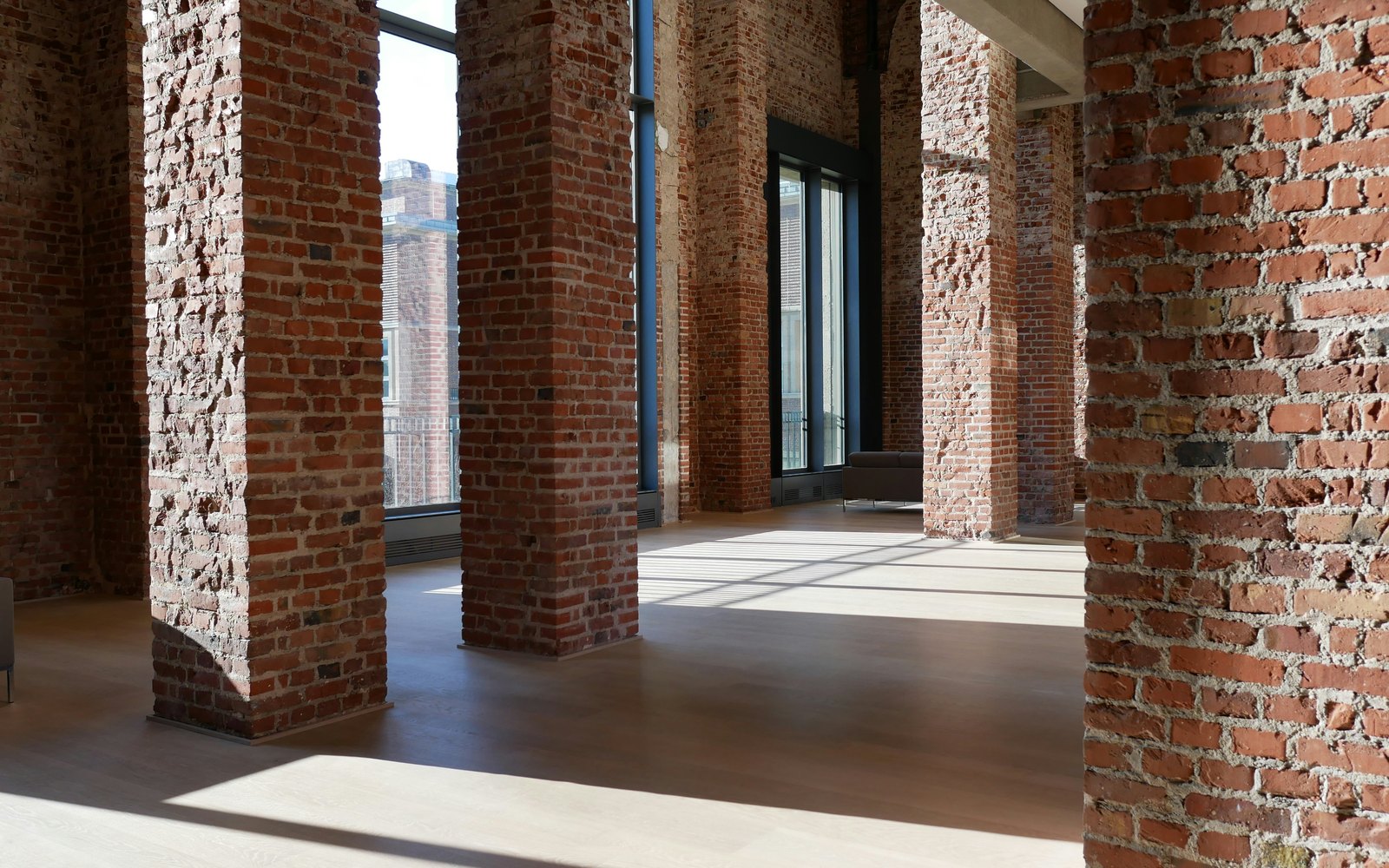
An empty loft floor with brick columns and tall windows
For sellers

Selling Your Home

Downtown comparables are vertical. The unit that sold last month in the tower across the street tells you far less than the one that sold on your own floor plan four floors up, and an automated estimate cannot tell the two apart. Line, floor, exposure, whether it has parking, what the dues are and what the reserves look like — those are the things a downtown buyer prices, and they are the things worth having straight before it goes live.

Get a valuation
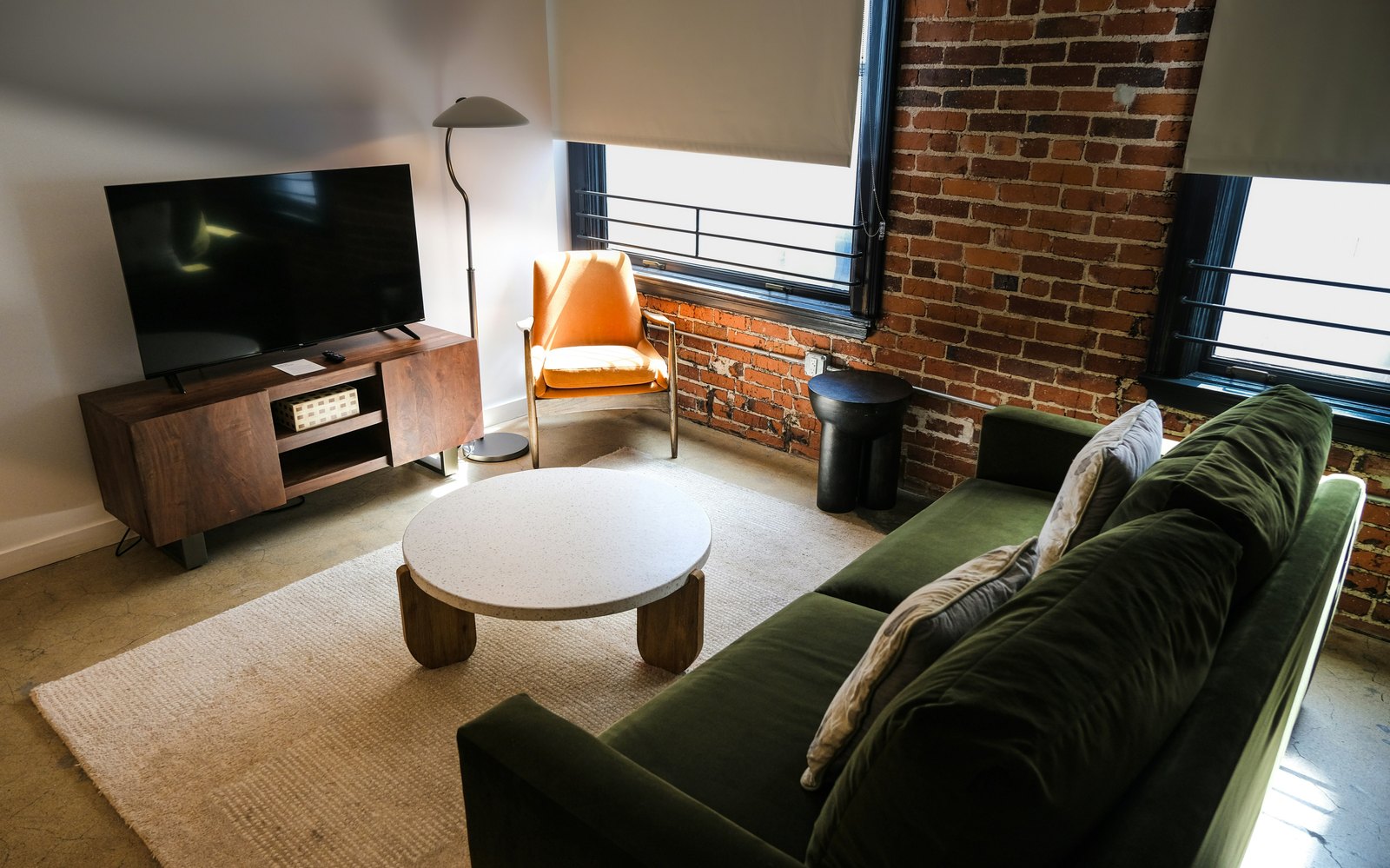
A living room with a brick wall and an industrial window
For buyers

Buying Downtown

Dues and what they actually include. The reserve study and whether there is special assessment history. Rental caps, if you ever want to lease it out. Whether the building is approved for FHA or VA lending, which decides who can buy it from you later as much as it decides what you can borrow now. Parking — deeded, assigned, or a monthly bill. All of that is knowable before you fall for a floor plan.

How buying works
Frequently asked

Frequently Asked Questions

What is the difference between a loft and a condo downtown?

Legally, often nothing — most downtown lofts are condominiums. In practice there are two very different kinds of building. One is an older office, bank or warehouse floor converted to housing, usually under the city's adaptive reuse ordinance: concrete, tall windows, high ceilings, irregular shapes and frequently no interior bedroom walls. The other is a purpose-built tower using "loft" to describe an open plan. They feel different to live in, they appraise and finance differently, and they resell to different buyers.

Why are the HOA dues so high?

Because in a full-service building they are buying a great deal: twenty-four hour desk or security, elevators, a pool or gym, common-area utilities, insurance on the structure, and the reserve fund that pays for the roof and the elevators when their time comes. It varies enormously from one address to the next, and the honest way to compare two units is to add the dues to the mortgage and the tax and look at the one number. A low figure is not automatically the better building — sometimes it means the reserves are not being funded.

Can I buy downtown with an FHA or VA loan?

In some buildings, yes. The building itself has to be on the approved list, which is a HUD or VA decision about the whole association rather than about you, and buildings go on and off it. It is worth checking before you set your heart on somewhere, and worth knowing as a seller too, because it changes the size of the pool of people who can buy from you.

Does it come with parking?

Never assume. Downtown a space can be deeded to the unit, assigned by the association, rented monthly from the building, or simply not there at all — and older conversions are the likeliest to have none. It is one of the few things that changes both the monthly cost and the resale value, so it belongs in the first conversation rather than the walkthrough.

Which areas do you cover?

Downtown — the Historic Core, South Park, the Arts District, Bunker Hill, Little Tokyo, the Fashion District — and the neighborhoods immediately around it: Chinatown, Echo Park, Westlake, Lincoln Heights, Boyle Heights, Silver Lake and Koreatown.

How do I find out what my place is worth?

Ask for a valuation. It is built from what has actually closed in your building and in the buildings a buyer would compare you with, rather than from an automated estimate that cannot tell a fourth-floor north-facing unit from a nineteenth-floor corner. Nothing is attached to it.

Why Mario

Downtown is not one market. It is a few hundred buildings, and the building decides nearly everything — what the dues are, what they actually cover, whether a lender will write a loan in it at all, whether the parking space is yours or the building's, whether the "loft" is a 1920s office floor with twelve-foot windows or a 2008 tower with a pool deck. Two units a block apart with the same square footage and the same price can be completely different purchases. I would rather spend the first conversation on the building than on the tour.

Licensed in California since 1993, in a market that has to be read one building at a time.

Mario Cabello, REALTOR® · CA DRE #01163184

Call Mario (323) 362-7427